What is El Niño?
El Niño is a naturally occurring climate pattern that begins when surface waters in the central and eastern tropical Pacific Ocean become warmer than usual. These changes can influence weather patterns around the world and, during some El Niño winters, contribute to wetter and stormier conditions in California.
El Niño does not guarantee that a particular community will experience heavy rain or flooding. However, preparing early can help you and your household respond when severe weather does occur.
Listos California
Sign up for emergency alerts.
Ready.gov
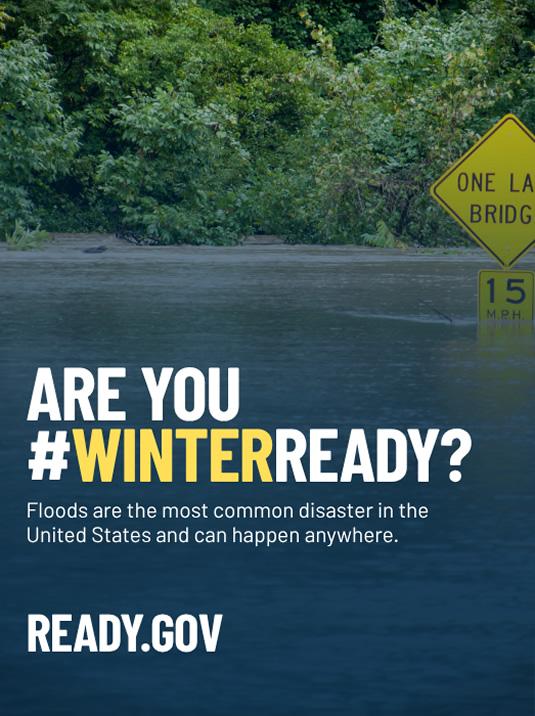
Plan ahead for disasters.
Cal MyHazards
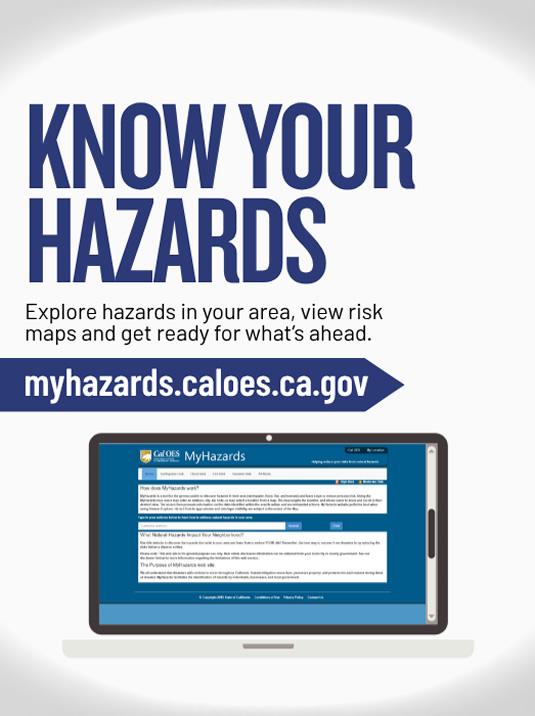
Discover hazards in your area.
What Does El Niño Mean for Our Community?
El Niño can contribute to wetter and stormier conditions in Southern California, but every season is different. When powerful storms reach our region, impacts can vary significantly from neighborhood to neighborhood.
Residents should be prepared for:
- Flash Flooding: Heavy rainfall can overwhelm streets, storm drains and other drainage systems, causing rapid flooding in low-lying areas and neighborhoods.
- Mudslides and Debris Flows: Hillsides and areas recently affected by wildfires can be especially vulnerable to mud, rocks and debris moving downhill during intense rainfall.
- Power Outages: Strong winds, saturated soil and falling trees or branches can damage power lines and interrupt electrical service.
- Road Closures and Travel Disruptions: Flooded streets, debris, fallen trees and damaged infrastructure can affect freeways, local roads and public transportation.
- Coastal Hazards: Storms can bring large waves, dangerous surf, coastal flooding and erosion.
- Impacts to Homes and Property: Roof leaks, fallen trees, water intrusion and localized flooding can cause significant property damage, even outside designated flood zones.
Be Prepared Before the Storm
Preparing before storms arrive can help protect your household, property and community.
A little preparation can make a major difference when severe weather arrives. Know whether your home is in an area vulnerable to flooding, keep emergency supplies available, make a household emergency plan and sign up for local emergency alerts.
Know Your Alerts
During severe weather and other emergencies, local authorities may use several systems to warn you about dangerous conditions. Knowing where those alerts come from — and which ones require you to sign up — can help you get critical information when you need it.
San Mateo County Emergency Alerts | SMC Alert
SMC Alert is the primary alert and warning system for San Mateo County. It is used to contact you during urgent or emergency situations, which may include life safety, fire, weather, accidents involving utilities or roadways, or disaster notifications. The service is available to all cities, towns, and special districts within San Mateo County.
Santa Clara County Emergency Alerts | AlertSCC
AlertSCC is the mass notification system that is used to send emergency information and instructions to anyone who lives or works in Santa Clara County. AlertSCC can reach you wherever you are to provide information and instructions for flooding, wildfire, earthquake, and subsequent evacuations, as well as post-disaster information about shelters, transportation, or supplies.
Sandbag Use & Distribution
Sandbags can act as a physical barrier to redirect flowing water and debris away from doors, garage openings, and vulnerable property during storms. They must be properly placed to protect your home from water damage. Check below for proper usage and local distribution sites.
Prepare Your Coastal Property for El Niño | California Coastal Commission
If you live along California's coast, now is a good time to prepare your property for strong storms, heavy rainfall, large waves, flooding, and erosion.
Don't Rely on Just One Source
During a major storm or emergency, information may come from multiple agencies. Keep Wireless Emergency Alerts enabled on your phone, sign up for your local notification system and follow instructions from local emergency management and public safety agencies.
Tip: If you have family members, older adults or neighbors who may need assistance during an emergency, help them check their phones and sign up for local alerts too.
Stay Informed
Weather conditions can change quickly. During a storm, rely on official weather forecasts, emergency alerts and instructions from local public safety agencies.
Use the resources below to find current weather information, road conditions, emergency services and local alerts:
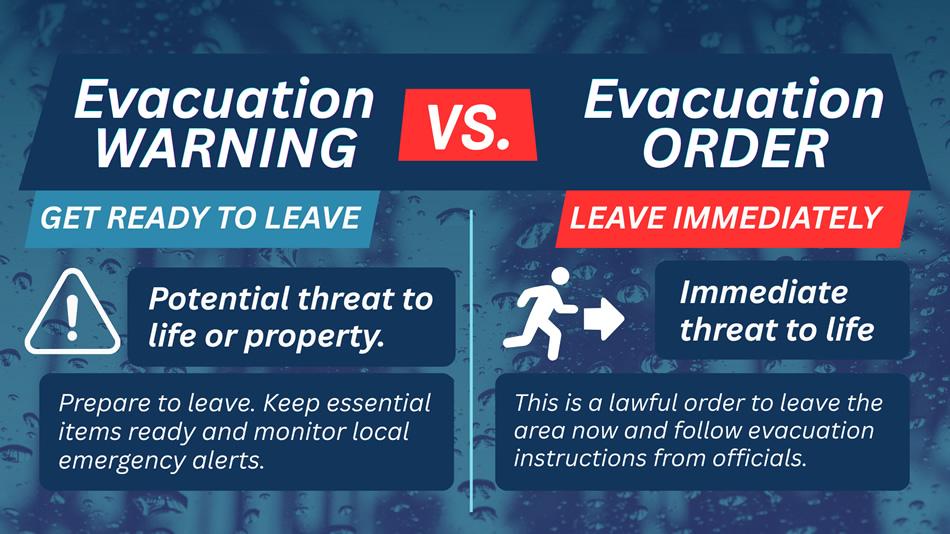
These resources provide supplemental information and tools to support preparedness. They do not replace official government alerts, National Weather Service warnings or instructions from local public safety agencies. Always follow official evacuation orders and emergency instructions.
Important Safety Information and Disclaimer
For an emergency requiring immediate police, fire or medical assistance, call 911. During a natural disaster or severe weather event, always follow official government alerts, evacuation orders and instructions from local emergency management and public safety agencies. Consult the National Weather Service for official weather forecasts and warnings. Do not delay emergency action while seeking information on this page.
The El Niño Preparedness Hub is provided for general educational and informational purposes only. It is not an emergency notification system and does not replace official instructions, individualized professional advice or an assessment of your household’s needs. Consider your location, health, accessibility needs, property conditions and other personal circumstances when planning, and consult appropriate professionals as needed.


